
Rodent Removal: How to Reclaim Your Home for Good
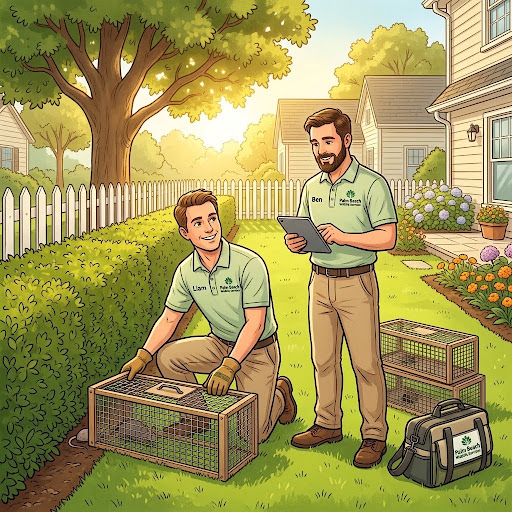
Nothing disrupts the comfort of home quite like the scratching of tiny feet in your walls at 2 a.m. Rodents are more than a nuisance — they chew through wiring, contaminate food, and multiply faster than most homeowners realize. If you’ve noticed droppings in your pantry or strange noises in your attic, you’re not imagining things.
This post walks through the warning signs of a rodent infestation, why DIY traps rarely solve the problem long-term, and what a professional approach actually looks like. By the end, you’ll understand why so many South Florida homeowners turn to trusted local experts instead of tackling the problem alone.
The Telltale Signs You Have a Rodent Problem
Rodents are experts at staying hidden, but they leave plenty of clues behind. Keep an eye out for:
- Droppings near food storage areas, cabinets, or along baseboards
- Gnaw marks on wood, wiring, or plastic containers
- Scratching sounds in walls, ceilings, or attics, especially at night
- Grease marks along walls where rodents repeatedly travel the same path
- A musty odor in enclosed spaces like basements or crawl spaces
Spotting even one of these signs early can save you from a much bigger — and costlier — problem down the road.
Why DIY Rodent Removal Often Falls Short
It’s tempting to grab a few traps from the hardware store and call it a day. Unfortunately, rodents breed quickly. A single pair of mice can produce dozens of offspring in just a few months, which means store-bought traps often address the symptom without solving the root cause.
DIY methods also tend to miss the real issue: entry points. Rodents can squeeze through gaps as small as a dime, and unless those openings are sealed, new rodents will keep finding their way in even after the current batch is caught. Without a full inspection, homeowners are often left in a frustrating cycle of trapping the same problem over and over.
What Professional Rodent Removal Actually Involves
A thorough approach goes far beyond setting a trap and hoping for the best. Here’s what homeowners can expect from a professional process.
Inspection and Identification
Technicians start by identifying the type of rodent present and locating every entry point around the property. This includes checking rooflines, vents, pipes, and foundation gaps that homeowners might never think to inspect.
Exclusion and Trapping
Once entry points are identified, they’re sealed to prevent new rodents from getting in. Trapping is then used to remove the rodents already inside, using methods suited to the species and severity of the infestation.
Sanitation and Prevention
Rodents leave behind waste that can pose health risks, including Salmonella and hantavirus exposure. A proper cleanup addresses contaminated insulation, droppings, and nesting materials, followed by preventive measures to keep the problem from returning.
Why Homeowners Trust Palm Beach Wildlife Services
Rodent removal that protects your home, your health, and your peace of mind requires more than a quick fix — it requires a team that understands rodent behavior, local building structures, and the humid South Florida climate that makes this region especially attractive to pests. Palm Beach Wildlife Services has built a reputation on doing the job right the first time, combining detailed inspections with long-term exclusion strategies that stop the cycle of reinfestation.
Rather than relying on generic traps, the team tailors its approach to each property, addressing the specific vulnerabilities that invite rodents inside. Homeowners consistently point to the thoroughness of the process and the noticeable difference in how their homes feel once the problem is fully resolved — quieter nights, cleaner spaces, and one less thing to worry about.
Take Back Your Home Today
A rodent problem rarely resolves itself, and the longer it lingers, the more damage and health risk it creates. Recognizing the early warning signs and understanding why professional intervention works better than DIY fixes puts homeowners in a much stronger position to protect their property.
If scratching walls or mysterious droppings have become part of your daily routine, it’s worth reaching out to a team that knows how to solve the problem for good — not just for the week.
Frequently Asked Questions
How quickly can a rodent infestation get worse?
Rodents reproduce rapidly, and a small issue can turn into a full infestation within a matter of weeks if left unaddressed.
Are rodent droppings dangerous to touch or breathe in?
Yes. Rodent droppings can carry diseases such as Salmonella and hantavirus, so cleanup should be handled carefully, ideally by professionals with proper protective equipment.
Will sealing entry points really stop rodents from coming back?
Sealing entry points is one of the most effective long-term prevention methods, since it removes the access rodents rely on to get inside in the first place.
How long does a professional rodent removal process typically take?
Timelines vary depending on the severity of the infestation, but most cases involve an initial inspection, a trapping period, and a follow-up to confirm the property is fully secured.
